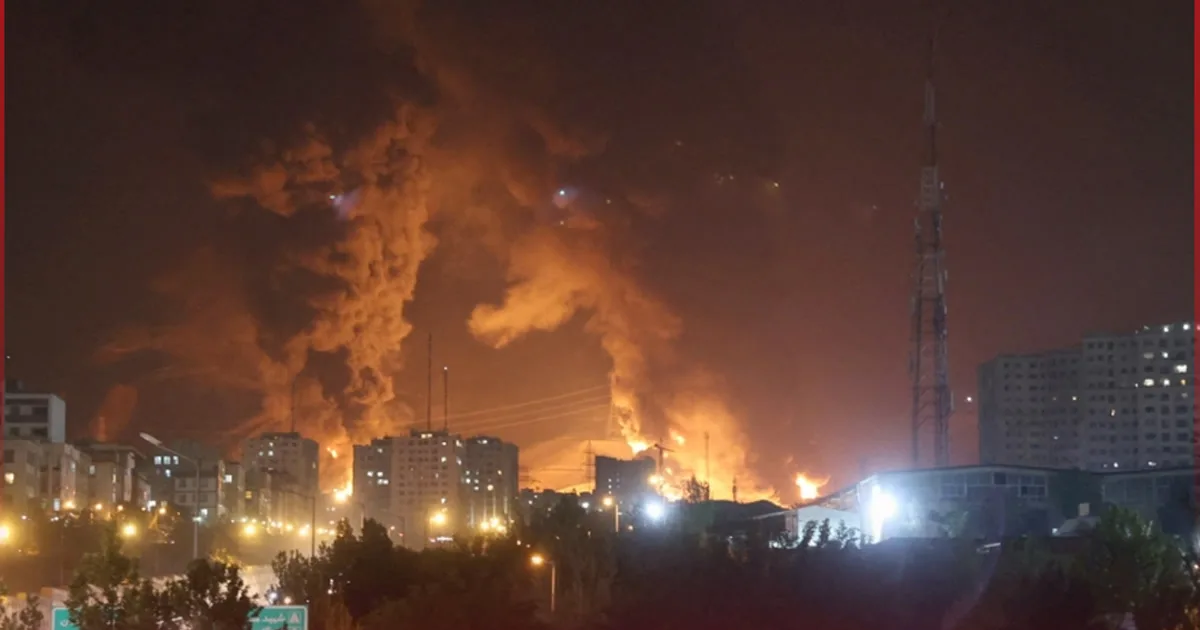
New explosions were heard in Riyadh on Wednesday after Saudi forces said they intercepted a Houthi ballistic missile aimed at the capital. There were no immediate reports of casualties or damage from this latest interception.
The Associated Press reported that residents in northern Riyadh heard the blasts. The Saudi-led coalition said the missile was fired by Yemen's Houthi movement. The group had not immediately commented on the claim.
The alert extends a run of attacks that has placed Saudi aviation, oil infrastructure and residential areas under pressure. It follows BullBuzz's reporting on the attack on a Saudi Aramco building in Dhahran and the widening questions around the kingdom's air-defence coverage.
Riyadh Warning Lifted After Missile Interception
Saudi Civil Defense issued air-raid alerts for Riyadh and Al-Kharj, southeast of the capital, before later saying the danger had passed. Arab News reported that authorities asked residents to follow official instructions and avoid gathering near or filming affected areas.
Al-Kharj hosts military facilities, including Prince Sultan Air Base. The warnings therefore covered both the capital and a strategically important area beyond it.
The absence of an immediate casualty report for the newest missile should not be confused with a separate interception overnight. In that earlier incident, debris from two intercepted cruise missiles fell on residential neighbourhoods, injuring four people, including a child, and damaging 15 homes, according to Saudi Gazette.
Why a Successful Interception Still Carries Risk
An interception can prevent a direct strike while still sending debris into populated areas. That danger has become central to the debate over Saudi Arabia's defence network, especially after earlier attacks reached King Khalid International Airport.
Saudi officials are investigating how previous missiles and drones penetrated the kingdom's protection systems. BullBuzz's report on Saudi airport attacks and the Riyadh warning system explains why the volume, speed and flight paths of incoming weapons are testing even an expensive layered defence.
The AP also reported that regional officials believe Saudi Arabia is running low on interceptors. The country must defend a large territory and multiple classes of targets, from airports and oil sites to cities and military bases. Analysts quoted by the AP said stopping every missile and drone is not realistic.
Conflict Pressure Reaches Travel and Energy
Airlines have suspended services, moved aircraft and reassessed routes as attacks continue. Oil markets have also reacted to the risk surrounding the world's largest crude exporter. BullBuzz's coverage of Asian stocks and oil near $106 tracks how the security crisis has moved beyond the battlefield.
The Saudi-led coalition has continued airstrikes in Houthi-held areas of Yemen. Houthi authorities said two people were killed in strikes on Tuesday and blamed Saudi Arabia. Riyadh says its campaign targets military and fuel facilities used to support missile and drone operations.
President Donald Trump is weighing whether the United States should join Saudi strikes against the Houthis, according to the AP. Any direct U.S. role would widen the conflict and could increase the risks facing Red Sea shipping, Gulf energy infrastructure and regional aviation.
What to Watch After the New Riyadh Explosions
The next official updates should establish whether debris caused unreported damage, whether the Houthis claim the launch and whether new civil-defence alerts are issued. Airport and airline notices will also show whether the interception changes flight operations.
For markets, the key question is whether the attack cycle remains contained or reaches another major transport or energy asset. For Riyadh residents, the immediate signal is clearer: the warning was lifted, but the latest interception confirms that the capital remains an active target.
Photo: Night-time explosion image circulated with reporting on Saudi missile interceptions on October 14, 2026. Al Masry Al Youm via X. Cropped for display.